


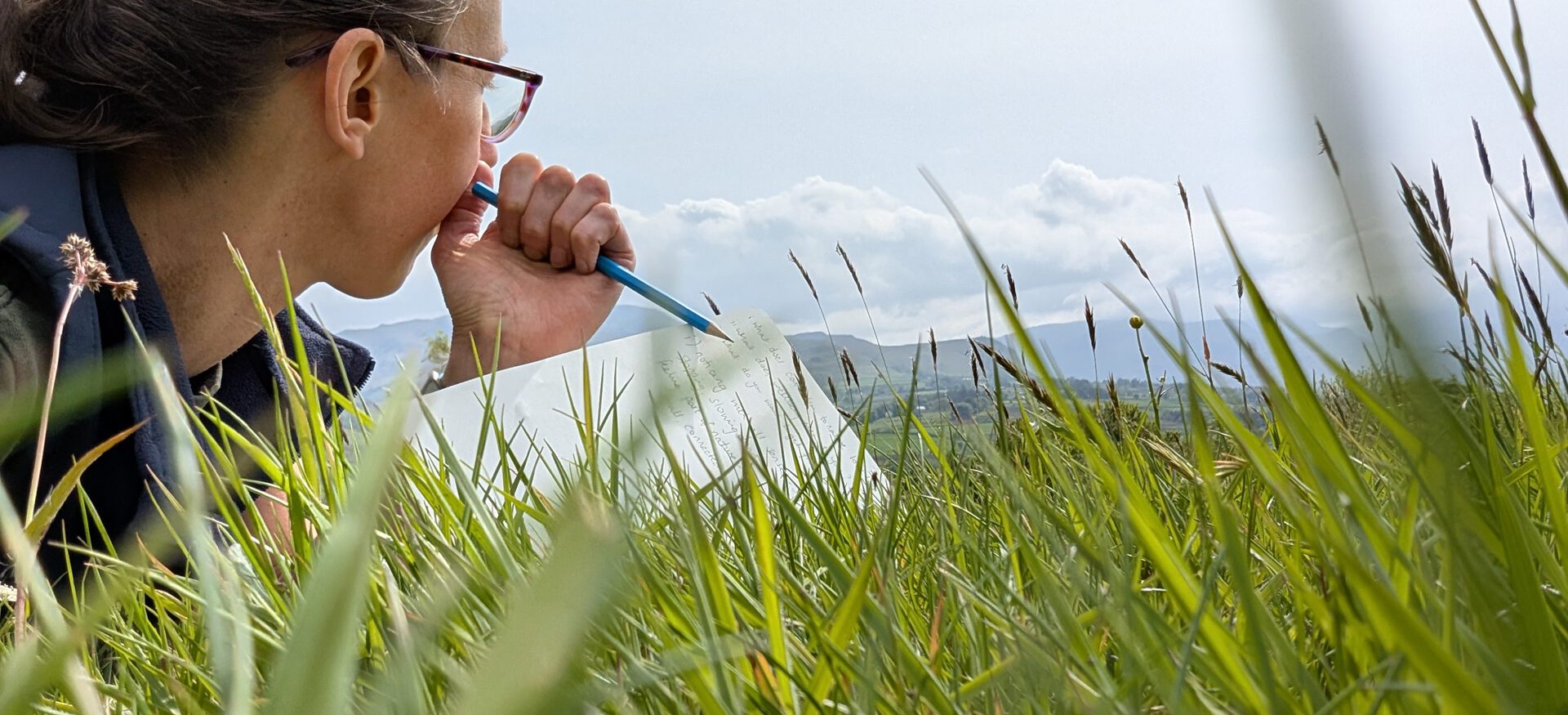
A group of participants gather in the spectacular surroundings of the Blencathra Field Centre for a weekend dedicated to wellbeing, mindfulness and time outdoors.
Earlier this year, a group of participants gathered in the spectacular surroundings of the Lake District for a weekend dedicated to wellbeing, mindfulness and time outdoors. Hosted at Blencathra Field Centre, the retreat offered an opportunity to step away from everyday routines and spend quality time immersed in nature.
Escaping the pace of modern life
Set beneath the dramatic slopes of Blencathra, the retreat took place in a landscape renowned for its open spaces, peaceful valleys and inspiring views. The location provided a natural backdrop for relaxation, encouraging participants to slow down, switch off from daily pressures and focus on their personal wellbeing.
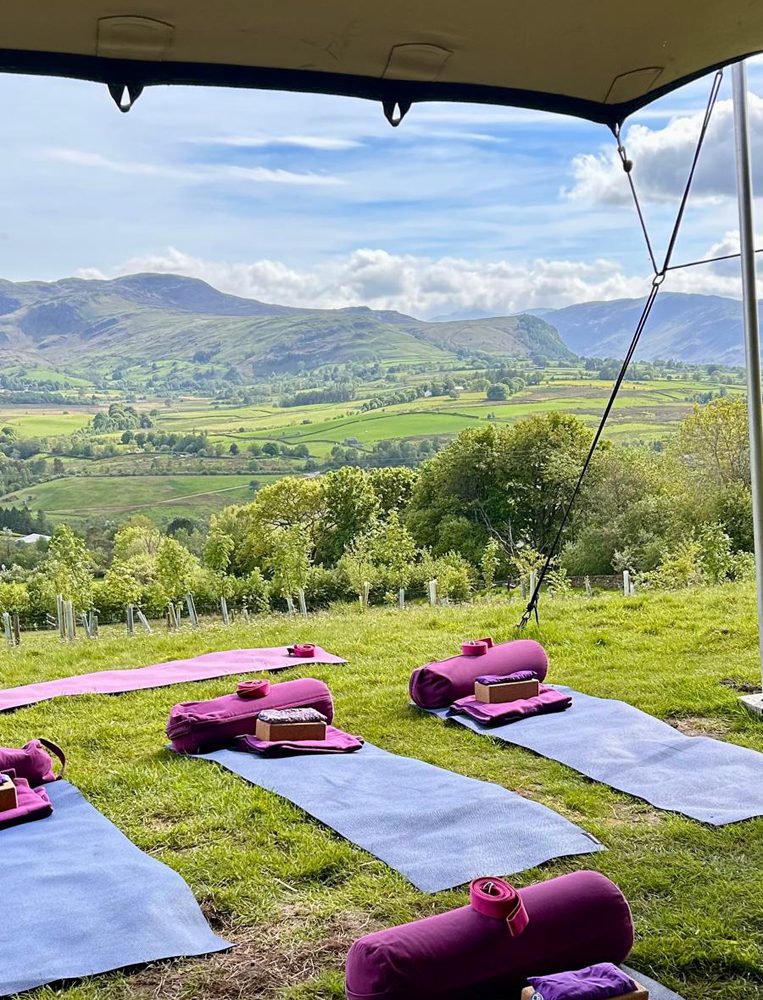
Throughout the weekend, the surrounding environment became an essential part of the experience. The sights, sounds and atmosphere of the Lake District helped create a sense of calm and offered a welcome contrast to busy, technology-driven lifestyles.
Activities designed to encourage mindfulness
The programme blended a range of nature-focused wellbeing practices, each aimed at helping participants become more present and connected to the world around them.
Experiences included:
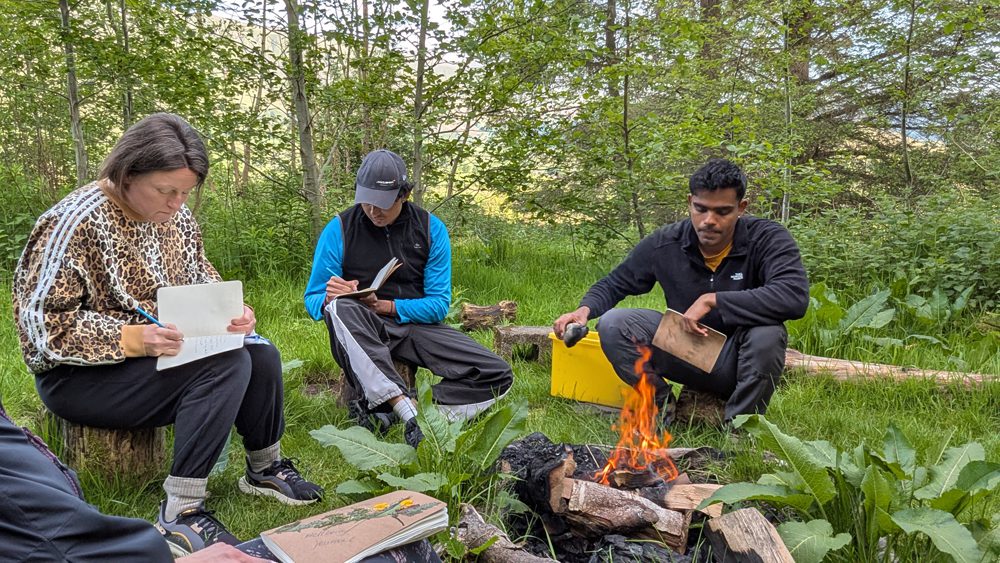
- Forest bathing sessions that encouraged mindful engagement with woodland surroundings.
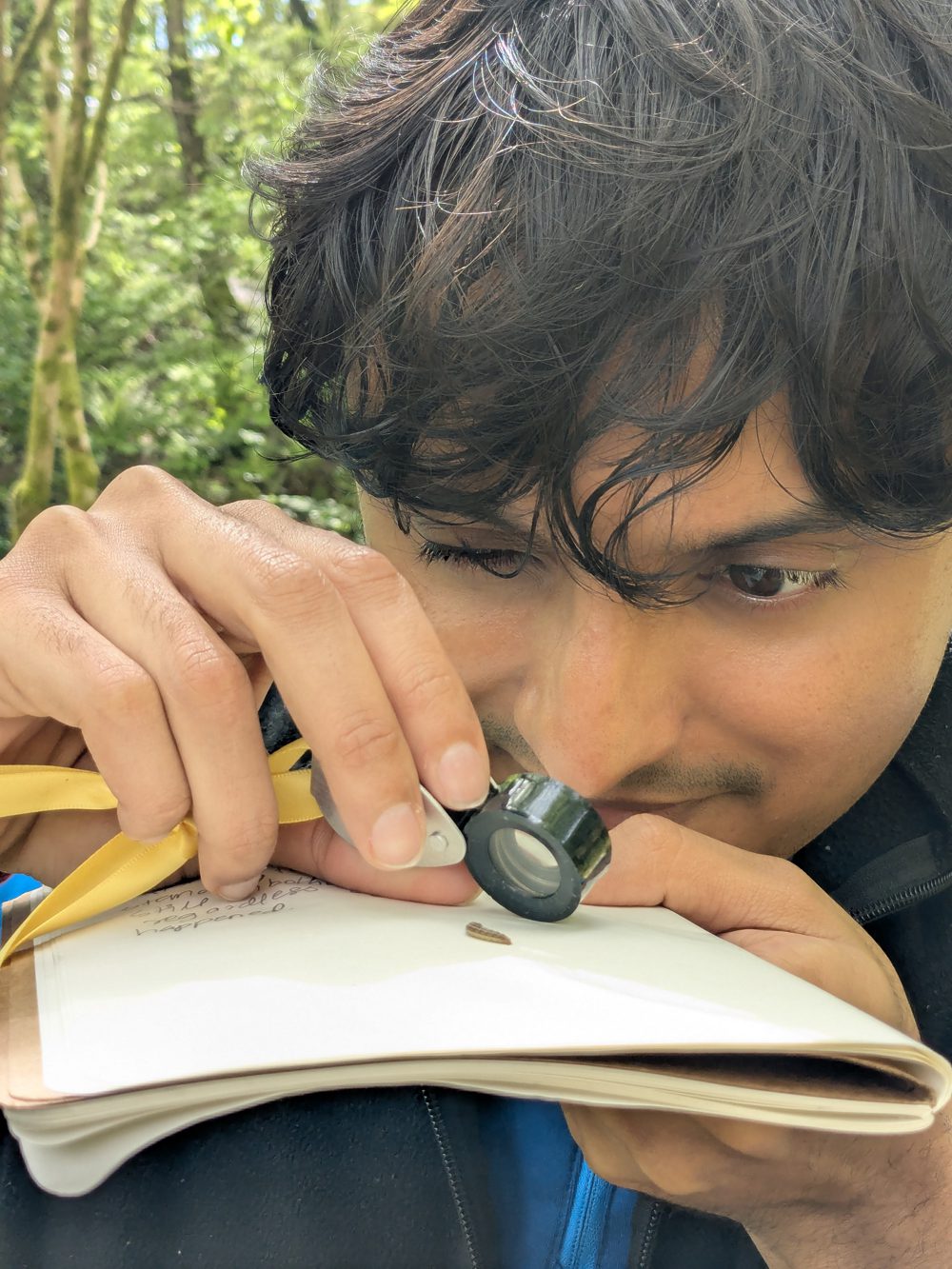
- Nature journalling to inspire creativity, reflection and observation.
- Guided breathwork techniques to support relaxation and mental clarity.
- Outdoor yoga sessions that combined gentle movement with fresh air and natural scenery.
By encouraging people to slow their pace and focus on the present moment, these activities created opportunities for deeper awareness and a stronger connection with nature.
Nourishment beyond the activities
Food also played an important role during the retreat. Participants enjoyed freshly prepared plant-based meals, carefully designed to provide both nourishment and enjoyment throughout the weekend. Shared mealtimes created opportunities for conversation, reflection and building connections with fellow attendees.
Why time outdoors matters
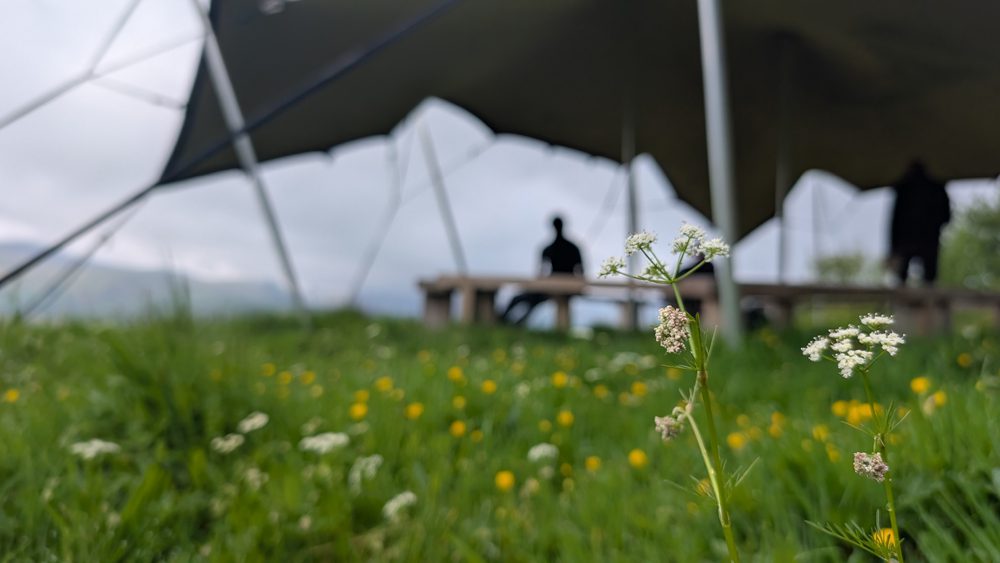
Spending time in natural environments is increasingly recognised as beneficial for both physical and mental wellbeing. The retreat combined guided sessions with free time outdoors, allowing participants to experience these benefits in a meaningful and practical way.
Many attendees reported feeling:
- · Less stressed and overwhelmed.
- · More relaxed and emotionally balanced.
- · Better connected to nature.
- · Refreshed after a break from screens and daily demands.
- · Recharged and ready to return to everyday life with a renewed perspective.
Participant reflections
Feedback highlighted the positive impact of taking time away from busy schedules to focus on wellbeing.
One participant described the retreat as a transformative experience that helped them reconnect with nature and appreciate the value of slowing down in an increasingly digital world. Another noted that the chance to disconnect from their phone and embrace mindfulness left them feeling calmer and more grounded. Others spoke about how focusing on small details in nature, alongside activities such as yoga and meditation, helped quiet racing thoughts and reduce stress.
Looking ahead
The success of this inaugural wellbeing retreat demonstrated the powerful role nature can play in supporting health, happiness and resilience. Combining beautiful landscapes, carefully planned activities and a supportive community atmosphere created an experience that left a lasting impression on those who attended.
For anyone seeking an opportunity to step back from the demands of everyday life, reconnect with the natural world and invest in their wellbeing, our nature-based retreats offer a valuable and rewarding experience.
Would you like to join the next retreat?
- Wellbeing in nature weekend: 21st – 23rd August 2026, Juniper Hall
- Contact Sarah Fenn [email protected] for more information about this and other wellbeing retreats run by the Field Studies Council.